Should You Add Psilocybin Mushrooms to Your Water?
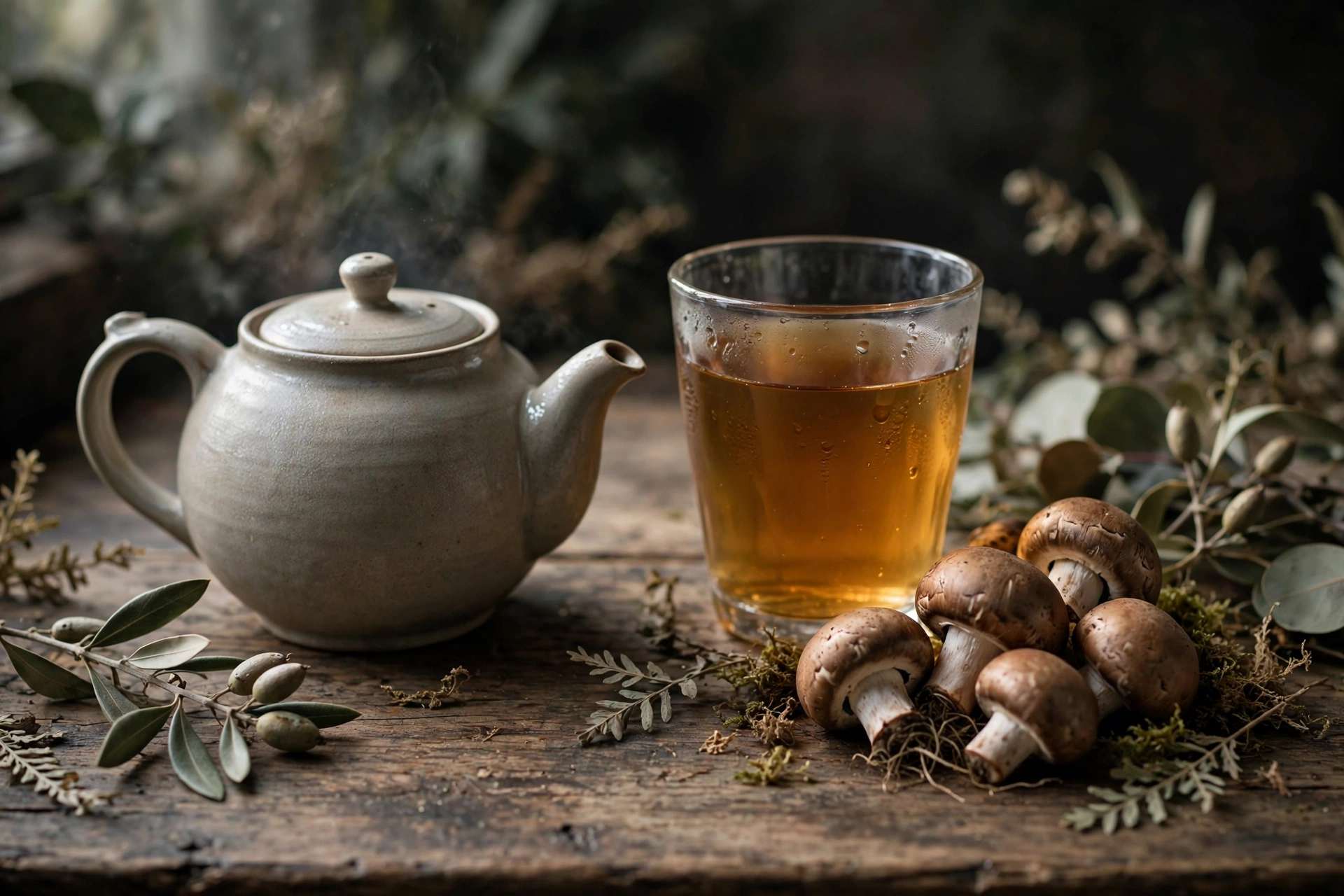
Short answer: no - and not because the water is the problem. Psilocybin is a Schedule I controlled substance in the United States, dosing through water is inherently unpredictable, and the single biggest physical danger has nothing to do with your filter. Here is the full picture, because people keep searching for it.
Why people ask
Psilocybin mushrooms are most often eaten, but brewing them into tea is a long-standing preparation - the US Surgeon General's drug reference lists "brewed as tea" among the standard ways psilocybin is taken. The reasons are practical: tea masks the taste, some users report it is gentler on the stomach, and effects tend to arrive a little faster than eating the mushrooms themselves. Wellness culture then added microdosing - sub-perceptual amounts in water bottles and morning drinks - which is how a psychedelic drug ended up as a water question.
The chemistry, briefly
Psilocybin is water-soluble, which is exactly why tea works at all: hot water draws it out of the mushroom material. Taken as a drink, effects typically begin within about 20 to 40 minutes and last roughly 3 to 6 hours, varying widely by dose and person. That variability is the core problem with "putting it in water" as a method. Potency differs from mushroom to mushroom and batch to batch, so a bottle of infused water is an unlabelled dose of a powerful psychoactive drug - there is no version of this that counts as measured or controlled.
The risks that matter
- Misidentification can be fatal. Poison-control and harm-reduction sources are blunt about this: deadly look-alike mushrooms grow in the same habitats, and the most notorious, Galerina marginata, can be mistaken for psilocybin species and causes liver failure. This is the risk with real teeth.
- Mental-health interactions. Psilocybin can trigger panic and psychosis, particularly at higher doses and in people with a personal or family history of psychosis, schizophrenia or bipolar disorder. It can also interact with psychiatric medications, including some antidepressants.
- Impairment. Altered perception, lost coordination and an inability to tell fantasy from reality for hours - per the DEA's own fact sheet. Whatever else is true, nobody should be driving, swimming or supervising children on it.
- It is illegal in most places. Federally Schedule I in the US. Oregon and Colorado run regulated psilocybin programs, and a number of cities have deprioritized enforcement - but deprioritized is not legal, possession penalties elsewhere can be severe, and in Canada psilocybin is restricted outside exemptions and clinical trials.
Does filtering the water change anything?
There is no published research showing that a home carbon filter or reverse-osmosis system removes psilocybin from water, and no basis to treat any filter as a safety device here. Filters are graded for what their certification paperwork says - lead, PFAS, chlorine taste - not for controlled substances. Clean water in, clean water out: what you deliberately add afterwards is on you.
Our position
This site exists to help you get things out of your water. The evidence-based answer to "should I add psilocybin to it" is no - for legal, dosing and identification reasons that no kitchen gadget fixes. The separate question of psilocybin as therapy is being studied in clinical settings with screened patients and measured doses; a water bottle is not that setting.
This article is information, not encouragement or instructions, and not medical or legal advice. If you or someone near you is struggling with substance use, SAMHSA's US national helpline is 1-800-662-4357.
More curious water questions
- Can Any Water Cure (or Kill) Cancer? Every Claim, Graded
- The Safest Ways to Color Water for Kids: Silly, Fun and Actually Drinkable
- How to Make Water Glow in the Dark (the Safe, Drinkable Way)
- Moon Water: What's Real, What's Ritual - and How to Make It Safely
- Crystal Water Bottles: The Stones That Should Never Touch Your Drink
Start with water you can verify
Curiosity handled, the everyday question remains what's in your tap. Two minutes with the Filter Finder turns it into a graded shortlist.